
Written by Courtney Human RD(SA)
I love a good stukkie droëwors, crispy pork rashers on the braai, and don’t even get me started on that oozing cheese griller. Thanks to my loving family I grew up liking the fat on meat and not removing the ‘best part’. Then I became a dietitian, and was diagnosed with genetically high cholesterol and high blood pressure at 21 and well… things changed. Dietitians and FAD diets are like a broken record. But the final straw was when I was eating out, wearing my scrubs and badge in the unisex bathroom queue and a man asked me my opinion on the carnivorous diet again… that I realised March is the month this diet is going to get it. People rave about their weight loss on the carnivorous diet. How can eating a balanced diet possibly yield the same results? But they always come back. Whether into hospital for bowel issues or for evidence-based advice when the FAD diet part kicks in – weight loss stops, or weight gain begins.
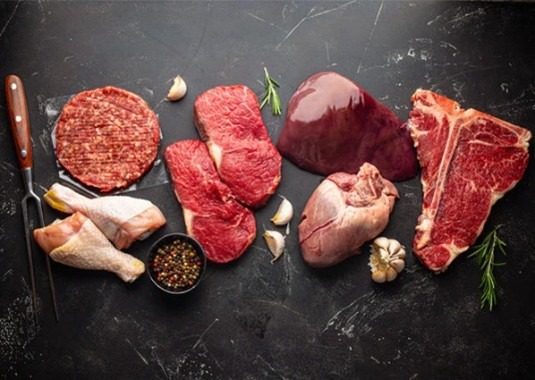
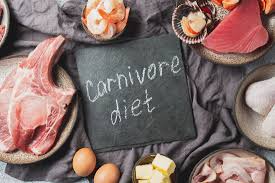
Imagine eating only steak, eggs, and butter, washing it down with some bone broth, and calling it balanced. A braai on repeat, no salads necessary. The South African dream, right? But before we trade our grocery list for a butcher’s invoice, let’s take a look at what’s really going on with this diet. In its strictest form, the carnivore diet eliminates everything except animal products. That means, meat, poultry, fish, eggs, butter, animal fats, dairy (depending on the version) and bone broth. No fruits, vegetables, legumes, grains, nuts, or seeds. No plant oils, spices, or sugar. Essentially, it’s Banting with a vengeance—the same high-fat, low-carb concept but with the added challenge of zero plant foods. And while the banting diet at least allows for leafy greens, nuts, and the occasional cauliflower pizza base, the carnivorous diet makes a low-fibre diet even lower.
Before we dive into the risks, let’s address the big attraction: why does it work for quick weight loss?
- Cutting Out Refined Carbs: Most people eating a standard Western diet are living off processed carbs of white bread, pasta, pastries, and sugar-laden everything. Omitting that alone leads to a massive drop in blood sugar spikes. Hence, maybe it’s not the meat doing the magic, it’s the absence of junk food?
- Eating More Protein = Greater Satiety: Protein is the most filling macronutrient. If you’ve ever tried eating two chicken breasts back-to-back, you’ll know you feel pretty full pretty quickly. This naturally reduces calorie intake with less tracking or worry of portion control.
- Ketosis & Water Loss: Going zero-carb means you deplete glycogen stores (your body’s stored carbs) and every gram of glycogen holds onto 3g of water. Sorry to bear the bad news but that rapid weight loss in the first few weeks… is mostly water weight loss, not just fat.
- Short-Term Increased Fat Burning: When cutting out carbs we lower our insulin levels, meaning the body turns to fat for fuel, but this doesn’t mean eating unlimited steak is the long-term solution to your body composition. The real issue lies in what happens beyond the first few months.
Now we turn to the not-so-glamorous side of the carnivorous diet. Repeat after me in the name of the InBody scale: weight loss does not always equal health.
The gut thrives on fibre and with zero plant foods there is no prebiotics to feed the probiotics also known as your good gut bacteria. A gentle reminder that approximately 70% to 80% of the body’s immune cells are located in the gut. FAD diets rich in red meat, butter, and high-fat dairy raises concerns about bad LDL-cholesterol and inflammation, particularly without the antioxidants and polyphenols from plants to counteract it. Alongside this, scientific evidence consistently links low-fibre diets to increased digestive issues and higher risk of colon cancer. The recommended daily fibre intake for adults is 20-35g. With no wholegrains, fruit or plant-based proteins (beans/lentils) your only chance is vegetables which at least most people I’ve seen on the less restrictive carnivore diet include. However, you’d need to eat 10+ cups of non-starchy veg daily to hit that goal. Most people can barely eat 2-3 cups. Studies show that high saturated-fat diets increase visceral fat (the type of fat stored around organs) which is more dangerous than subcutaneous fat (the fat under your skin). Although some claim carnivore improves cholesterol, research still supports more plant-based diets for long-term heart health. Besides as South Africans, sure we love our meat, but no potato salad, garlic bread or malva pudding? Also, on a side note the one excuse I always hear for not eating healthy is the misconception that “it’s expensive”. This, is the alternative? Steak is not cheap. This diet is for the bold and boujee.
Jokes aside as a registered dietitian, I’m all about finding what works without going to extremes. So rather than swinging between high-carb junk food and meat-only diets, there is some principles we can take away from the carnivore movement:
- For those looking to lower insulin resistance or better balance blood sugar, prioritising protein and non-starchy vegetables from midday to dinner can be a game-changer.
- Reduce refined carbs but not all carbs. The biggest benefit of the carnivore diet is cutting out refined junk, but whole-food carbs (sweet potatoes, lentils, quinoa) are not the enemy; providing fibre, slowing digestion, and supporting gut health.
- Balance the braai by pairing it with a variety of veggies. Make fibre a priority, if you’re cutting grains, double down on vegetables, legumes, and nuts.
The bottom line: meat, moderation and moving forward. Rapid weight loss is a victory for the general population but it’s red flag for a registered dietitian. If your diet is impossible to sustain, what’s the point? Health is about more than just the number on the scale, so try shift your focus on long-term energy, gut health, and overall well-being. The carnivore diet, like many extreme diets, has its pros and cons. Rather than choosing between all carbs or no carbs, why not focus on the quality of your carbs? Rather than eating only steak, why not build a plate with lean protein, healthy fats, and a variety of nutrient-dense foods? At the end of the day, the best diet is one that’s sustainable, balanced, and doesn’t require giving up your entire food culture.
Because let’s face it – life’s too short to never eat another roasted potato.
0 Comments