
Written by Courtney Human RD(SA)
To set the tone I would like to openly state this blog post is not throwing shade on those falling into the obese category, trying to completely negate the HASE (Health At Any Size Movement) movement or assuming all those with obesity want or need to lose weight or have associated medical conditions.
I am going to try keep this as scientifically objective as possible with the stance that identifying the underlying causes of obesity, potentially genetics as an example, can better equip us to treat this complex disease and ease the stigma and self-blame that sometimes accompany it.
Obesity is not a one size fits all category. Although obesity is categorised as a BMI of 30 or higher, there are many limitations to this measure in isolation not taking into consideration body composition of fat and muscle, otherwise even old Arnold Schwarzenegger would be on the obesity hook.
Classifications aside, studies that were done in twins that grew up in different families showed obesity is 70% genetics and 20% environment. Even with these findings some will experience more negative outcomes when living with obesity than others as body weight DOES NOT equal health outcomes. In some cases, it comes down to one having more difficulty losing weight and thereafter more health issues associated with a higher body fat and possibly then a need for medical interventions.
So why is it so damn easy for some to shed a few kilos and tireless efforts of others showing less results? Many with obesity may need medication (such as Ozempic discussed in last month’s blog post) to override genetic factors responsible for differences in reward response, hunger and satiety cues, and propensity to gain weight in today’s environment. Weight gain and weight loss capabilities are genetically determined. Some people will naturally experience:
- Higher appetite or greater dopamine spikes to food.
- Lower reward stimulation from exercise.
- Greater relief from stress by eating more.
- Stronger drive to eat when experiencing negative emotions.
- Lower sense of fullness from calorie consumption alone.
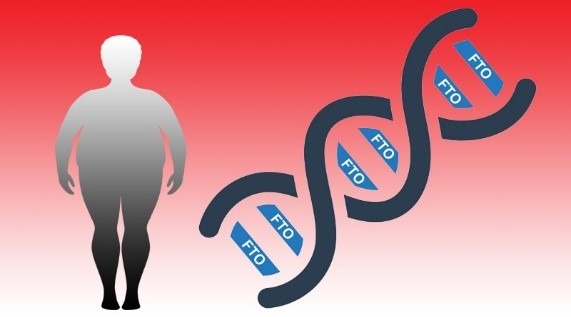
Between 200-500 specific genes (little… buggers) have been linked to obesity influencing how we store body fat and process nutrients. Research shows that several measures of obesity (BMI, skinfold thickness and waist-to-hip ratio) are inheritable to a great extent. Additionally, 60% of genetic causes of obesity is polygenic meaning multiple genetic factors interact with each other and these combos interact with environmental factors. No one gene variant guarantees obesity, if anything any one of them alone is considered low risk. If a gene is more commonly found in those with obesity it is said to be associated such as the fat mass and obesity – associated gene (FTO) found in 43% of this population. Evidence based research shows this FTO gene:
- In the presence of readily accessible food challenges limiting caloric intake.
- Increases hunger levels and reduces satiety – a sense of loss of control when eating.
- Escalates the tendency to be sedentary and store energy as fat.
Therefore, researchers have taken a keen interest in FTO as a target in treating obesity with small molecule drugs and micronutrients being found to control or aid in regulating it’s activity. I know you probably thinking now, “Oh well, I got it from my mamma” or “I am what my parents eat so it is what it is.” Not quite. Let’s throwback to last month’s blog adage, that genetics loads the gun and environment pulls the trigger.
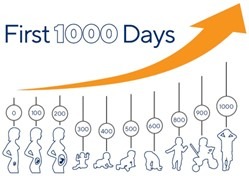
In layman terms the impact of diet and environment on the way genes work is called epigenetics. Certain events may quite literally turn genes on and off during a person’s lifetime. Believe it or not but the first 1000 days of life are the most influential time where genetics are most susceptible to change, from the moment of conception or even 3 months before. These days are associated with risk of allergies, asthma, heart disease, diabetes and obesity developing or not.
In the name of Valentines… Environmental factors acting as obesity genes “turn ons” include stress, smoking, pollutant exposure, gut health and maternal nutrition. But it takes two to tango as poor paternal nutrition in the preconception period is also a critical window of turning the wrong genes on! You probably thinking what my point is and you were in fact “doomed from the womb.” Not Quite…Again. Even though we can’t change our genes, the way they are expressed is not set in stone. As an adult you are not off the obesity hook completely if you are wanting to better health outcomes as gene expression is linked to poor sleep, high intake of fried foods or sugary beverages and a sedentary lifestyle, which are all within our control. In fact, studies published actually show physical activity as a turn off to the effects of the FTO variant. The rapid global rise of obesity cannot be blamed on genetics alone, unfortunately that excuse is off the table.
Overall, I think the messages I wanted my readers to take home from this blog is firstly don’t judge a book by its cover but be kind to yourself and those trying to lose weight because for some the genetic gods were not in favour, and the fight is harder than it looks. Secondly, maybe the focus should be shifted to 3 months prior to conception, optimizing the nutritional status of parents-to-be to lower risks of negative genetic exposure in the first place. And finally, genes predisposing you to obesity do not predestine you to develop it.
So let us ~ you and a registered dietician~ create the ultimate obesity gene turn off together of sustainable lifestyle changes filled with healthy food and physical activity… gross.
0 Comments