

Written by Courtney Human RD(SA)
If there was ever a year where needles were poking out of Christmas stockings, it’s this one. Amid tinsel and mince pies people are quietly sliding GLP-1 pens into bathroom cabinets, keeping injections as secret as the re-gifted panettone at the back of the pantry. Some hide it from family, some from friends, and some even from their dietitian – the stereotyped only for “weight loss” gurus are left out of the loop but we are the ones who can help make the metabolic magic actually stick. These medications work best when used openly and with support, not tucked away like a guilty festive treat.
GLP-1 receptor agonists like Ozempic and Wegovy (semaglutide) and the newer dual-action agents Mounjaro and Zepbound (tirzepatide) have become the season’s unexpected favourites. They mimic natural gut hormones that regulate appetite, digestion and blood sugar. They slow gastric emptying, so meals feel more satisfying, improve insulin release when blood sugar rises, and act directly on the brain’s satiety centres to curb cravings. The result? Less midnight fridge raiding, smaller portions, and a body that finally listens to your fullness signals.
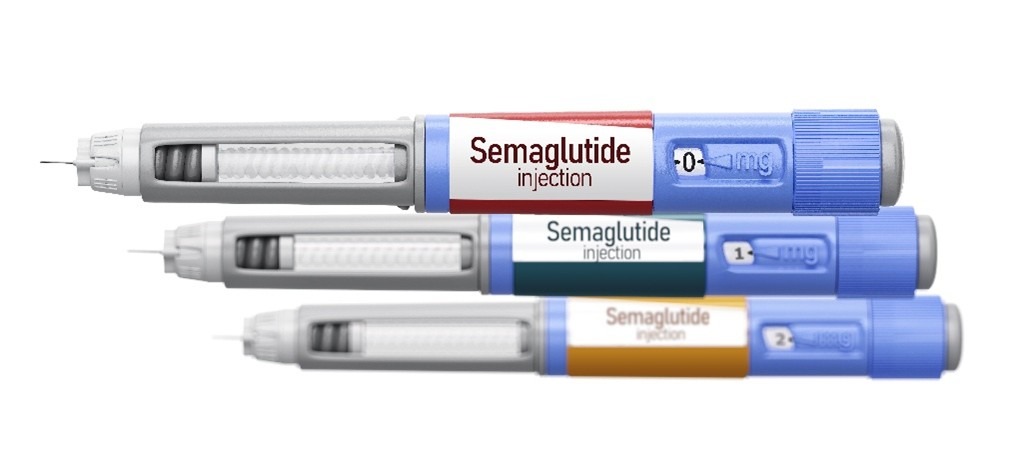
To make it clearer for South Africans, here’s how these medications differ in their FDA-approved indications: Ozempic is primarily for Type 2 diabetes management, helping to control blood sugar with weight loss as a bonus. Wegovy is mainly for chronic weight management in adults with obesity (BMI ≥30) or overweight with related conditions like high blood pressure or insulin resistance. Mounjaro is also for Type 2 diabetes, with weight loss as a secondary benefit, while Zepbound is approved for chronic weight management, similar to Wegovy but using the dual hormone pathway for extra appetite suppression. In short, Ozempic and Mounjaro = diabetes first, weight loss bonus; Wegovy and Zepbound = weight loss first, metabolic benefits included.
Semaglutides (Ozempic & Wegovy) acts on a single hormone pathway (GLP-1), offering reliable weight loss and cardiovascular benefits, especially for people with Type 2 diabetes, metabolic syndrome, or heart disease. Tirzepatide (Maunjaro & Zepbound) activates both GLP-1 and GIP receptors, giving it a more potent appetite-suppressing effect and generally greater weight-loss outcomes. In head-to-head trials, it often outperforms semaglutide, offering extra metabolic advantages for those who need a heavier-duty option. Think of it this way: semaglutide turns the hunger volume down, while tirzepatide turns it down and unplugs the speakers. Both are powerful tools for those with obesity (BMI ≥30) or weight-related health conditions. They’re not shortcuts, not cheats, and not for vanity – they treat a chronic, relapsing condition that lifestyle alone rarely solves.
Side effects are mostly gastrointestinal being nausea, constipation, or diarrhoea and usually manageable with careful dose titration and eating strategies. About 10–15% of people may not respond as expected, losing less than 5% of body weight within a few months. This isn’t failure; it’s usually due to differences in how the body’s hormone receptors respond. Severe risks like gallstones or pancreatitis are rare, and sensationalised media reports about dramatic side effects are largely overblown. The bigger concern isn’t the drugs themselves, but how they’re used. Many people start these medications in secret, fearing judgment from family, friends, or even dietitians. This is exactly when support matters most. A major issue is muscle loss: up to 25–40% of weight lost can be lean mass if exercise and protein intake aren’t prioritised. Preserving muscle protects metabolism, stabilises blood sugar and prevents fatigue. Appetite drops can also lead to poor protein intake, dehydration, and skipped meals, which makes side effects worse. Thus, a registered dietitian’s role is essential to:
- Create protein-focused meals you can actually eat when appetite is suppressed.
- Structure eating patterns that minimise nausea and prevent under-eating.
- Support resistance-training routines to help maintain muscle.
Before starting a GLP-1 or dual agonist, it helps to ask yourself:
- Have I been assessed or referred to a registered dietitian?
- Am I exercising regularly, particularly resistance training?
- Am I prepared for long-term treatment if needed?
- Do I understand the side effects and how to manage them?
- Have I considered my habits and emotional relationship with food?
No offense to general practitioners prescribing these medications (in the best cases) but they should be asking the patients these questions too but are not. And here’s the festive reality check: these medications are not seasonal elves. If treatment stops, appetite hormones return to their pre-medication state, often more aggressively, and most people regain two-thirds of lost weight within a year. That’s why the “crash-start GLP for Christmas” approach rarely pays off. Obesity is chronic, and these are long-term tools for long-term support.
The final takeaway? Don’t hide your GLP-1 pen like a secret Christmas present. Share it with your registered dietitian, we are not going to judge because half of us want to try it too or have tried it ourselves already. If you are going to throw the kids on the naughty list and give their Christmas gifts a skip to afford these weekly injections, we want to hear about it! Get the right support and embrace the process. These medications are incredible tools for improving metabolic health and weight management. So, this Christmas, whether your pen peeks out of a stocking or sits proudly on the kitchen counter, remember: the only thing you should hide is a cheeky slice of pudding from yourself. After all, Santa loves honesty, and your metabolism will thank you.
0 Comments