
Written by Courtney Human RD(SA)
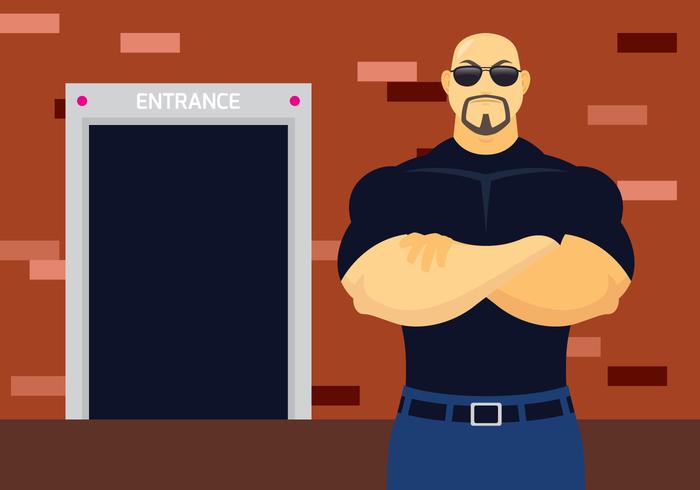
When you eat, your pancreas sends out insulin, the bouncer with the key to the hottest nightclub in town: your cells. Insulin’s job is to let the partygoers (sugar) in off the street (your bloodstream) to burn up their energy on the dance floor (metabolism). It’s a perfect system. But with insulin resistance, the club’s locks get rusty. The bouncer waves the key, but doesn’t open the door, and the sugar partygoers get stuck outside. The manager (your pancreas) freaks out and sends more bouncers, but the locks are still a mess, and the line just gets longer. Eventually, the doors break entirely, the party collapses, and everyone gets stuck outside, which we call type 2 diabetes. If reading this was as confusing as writing this, maybe we both got spiked at the nightclub in this analogy and can blame the hangover.
In more scientific terms. Insulin resistance is a condition that occurs when your body’s cells become desensitised to the hormone insulin. Insulin is a hormone made by the pancreas that helps move glucose from your blood into your cells. In the cells, this glucose is used for energy. However, with insulin resistance, your cells don’t respond well to insulin’s signal. The glucose doesn’t move efficiently into your cells, so your body responds by releasing even more insulin to try to push it in. Capeessh?
Why is this a problem? Having lots of insulin circulating in your blood leads to greater fat storage and weight gain, especially in the abdominal region. Insulin resistance is also linked to higher inflammation, high cholesterol, and elevated blood sugars. Over time, your pancreas gets overworked from making so much insulin – and like all of us when overworked, it eventually gives up. Insulin resistance is thought to precede a diagnosis of type 2 diabetes by 10–15 years.
Just in case insulin resistance on its own wasn’t confusing enough, now we have glucose intolerance. These two terms are often used interchangeably, but they’re not quite the same. Think of insulin resistance as the cause, and glucose intolerance as the result. Insulin resistance is the underlying issue where your cells are not responding well to insulin, even though blood sugar levels remain in the normal range (for a while, at least). Glucose intolerance is defined by high blood sugar levels when your body’s attempt to compensate by pumping out more insulin finally fails. The glucose starts to back up in the bloodstream, leading to conditions like prediabetes and, eventually, type 2 diabetes. So, you can have insulin resistance without having glucose intolerance, but not visa versa.
So, how do you know if your cells are giving insulin the cold shoulder? While the gold-standard test is a complex procedure called a hyperinsulinemic-euglycemic clamp (whatever that is), a more common and practical way to diagnose the risk of insulin resistance is to check for the criteria of metabolic syndrome. You are considered to have metabolic syndrome if you meet three out of the five criteria:
- High blood pressure: over 130/85 mm/Hg
- Abdominal obesity: waist circumference greater than 102 cm for men or 88 cm for women (note: some guidelines use 94 cm and 80 cm respectively, so check with your doctor). This excess visceral fat is a major driver of insulin resistance.
- High fasting glucose: ≥ 6.1 mmol/L
- High triglycerides: ≥ 1.7 mmol/L
- Low HDL cholesterol: < 1.0 mmol/L for men or < 1.3 mmol/L for women
Even if you don’t meet three criteria, having one or two of these risk factors is a sign to be proactive. On that note as a South African dietitian I have to discuss the infamous ‘beer boep’.
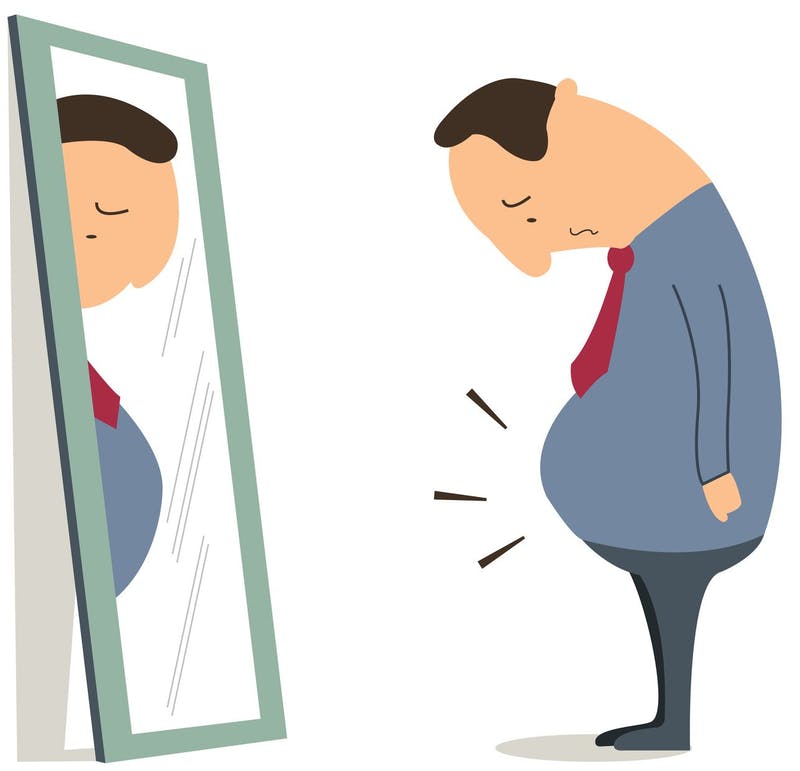
Unfortunately, it’s not just a sign of too many good times or rather lekker braais; it’s a very real sign of a health risk – and yes, it’s directly tied to insulin resistance. The visceral fat that makes up that classic boep isn’t just sitting there idly; it’s metabolically active. It releases inflammatory molecules that interfere with insulin signalling, making your body’s cells even more resistant. This creates a vicious cycle: the more beer you drink, the more insulin resistance you develop, and the bigger the boep gets. While it’s easy to blame the beer, it’s really the combination of excessive alcohol, often paired with a diet high in refined carbs and sugar, that fuels this process. The good news? Insulin resistance is a reversible condition. Here’s what the latest evidence suggests for getting your cells to listen to insulin again:
- Magnesium to the rescue as it is a key mineral involved in over 300 enzymatic reactions in the body, many relating to glucose metabolism and studies show supplementing it can improve insulin sensitivity. Taking it at night can be particularly helpful to support sleep too.
- Strategic carbohydrate timing as research on chrono-nutrition suggests that eating the bulk of your carbohydrates earlier in the day and opting for lower-carb meals at night may improve glucose control and insulin sensitivity. Reducing the evening glucose load gives your body a chance to reset.
- Exercise is non-negotiable as a single bout of exercise can improve insulin sensitivity for 24–48 hours, but consistent activity is key for lasting change. Resistance training is especially effective, as it helps your muscles use glucose more efficiently – even without insulin.
- Embrace fibre, avoid refined sugars through whole grains, fruits, vegetables and legumes to slow glucose absorption, preventing spikes in blood sugar and insulin, lowering pressure on the pancreas.
- Lose a little and gain a lot with just 5-10% of your body weight dropping this can dramatically improve insulin sensitivity, particularly if it reduces abdominal fat.
Yes, I have purposely not mentioned GLP-1 agonists like Ozempic, because I am quite frankly not lus to open this can of worms this month okay, maybe next month when I’m older I will have the… guts.
Bottom line is insulin resistance is a widespread issue, but it’s not a life sentence. By paying attention to the signs, working with your healthcare team, and making smart lifestyle changes, you can get your body’s VIP key service back on track. Your cells will go from snobs to plebs, I mean to down to earth, humble beingsand your energy levels will soar. Don’t forget this dietitian is always here to get the party started in a healthy way – without the hangover this time.
0 Comments