
Written by Courtney Human RD(SA)
Now that we’ve shed the “Janu-worry,” Midline Dieticians are welcoming yet another emotion filled month of February. For the most part love is in the air as we celebrate Valentine’s Day but for some, myself included for a very long time (past tense😉), its Singles Awareness Day.
Now as a registered dietitian however, I’ve grown interested in the relationship between food and our emotions. It’s no secret that food can have a powerful impact on our mood and well-being so let’s take a closer look at some of the ways food and our “feels” are connected.
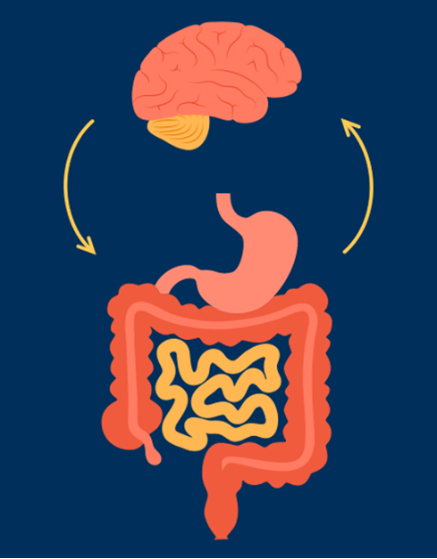
Have you ever heard of the gut-brain connection or does, “I have butterflies in my stomach,” sound familiar? Our gut is often referred to as our “second brain” because it has its own nervous system, called the enteric nervous system. The vagal nerve connects this system to the central nervous system which allows for communication between the gut and brain. The foods we eat can also affect the trillions of microorganisms that live in our digestive system called the gut microbiome. A balanced gut microbiome has been linked to a variety of health outcomes, including good mental health. Biology lesson aside, so what can you do to literally feed your soul? Eating a balanced diet rich in fibre and fermented foods like yogurt can help promote a healthy gut microbiome, which in turn can positively impact our mental health -if only it was that simple.
Valentine’s Day is the perfect example of how food can be used as a powerful tool to celebrate special occasions. Sometimes food can also be seen an incentive to complete a task or as a reward for achieving a goal. Let’s take a moment to ask ourselves… How often do you reward yourself or the ones around you with food? What kind of food? How does it make you feel? Let’s be real as we are not going around rewarding ourselves or others with a salad or fruit bowl. We are rather indulging in high calorie, low nutrient density foods which in excessive amounts may be harmful to our health and wellbeing. Although the greasy, gooey, or sugary option mentally feels rewarding in the moment, the bloating, lethargy, discomfort, or guilt that may follow feels ironically, like physical punishment. Everything in moderation of course, but we need to be careful of forming a habit of relying on food as a reward as it poses a risk of creating an unhealthy relationship. Have you ever considered, instead of using food as a reward trying to find non-food ways to celebrate? For example, buying a new book to read, planning a self-care massage or watching a movie you’ve been dying to see.
But what about the negative emotions when we need “comfort food” as a coping mechanism or when boredom strikes and we find ourselves taking trips back and forth from the fridge. Whether good, bad, or ugly, emotional eating is when we eat in response to our emotions, rather than in response to hunger and this can be a difficult habit to break. We need to stop and firstly try to identify the emotions that trigger our emotional eating and then find alternative ways to cope with those emotions. For example, if you tend to eat when you’re bored, try finding a new hobby to keep yourself occupied. Instead of turning to food when sad or stressed try finding healthy ways to cope such as exercise, meditation, or spending time with loved ones.
On the flip side, anxiety can also lead to not eating enough or neglecting food completely. When we’re anxious, our body goes into “fight or flight” mode, which can suppress our appetite. If you’re feeling anxious and struggling to eat, try to eat small, frequent meals throughout the day. This can help keep your blood sugar stable and prevent you from feeling too full or nauseous.
So where on the emotional spectrum does your feelings and food connect?
The month of February is a time to celebrate love and relationships, but it’s also a time to reflect on the relationship we have with food. By understanding the gut-brain connection, the role of food as rewards and comfort, and the impact of emotions on our eating habits, we can make healthier choices to create a healthier relationship with food. Remember to focus on nourishing your body with a balanced diet that has space for high nutrient and low-calorie options by finding non-food ways to celebrate and cope with emotions too!
0 Comments